winemaking update
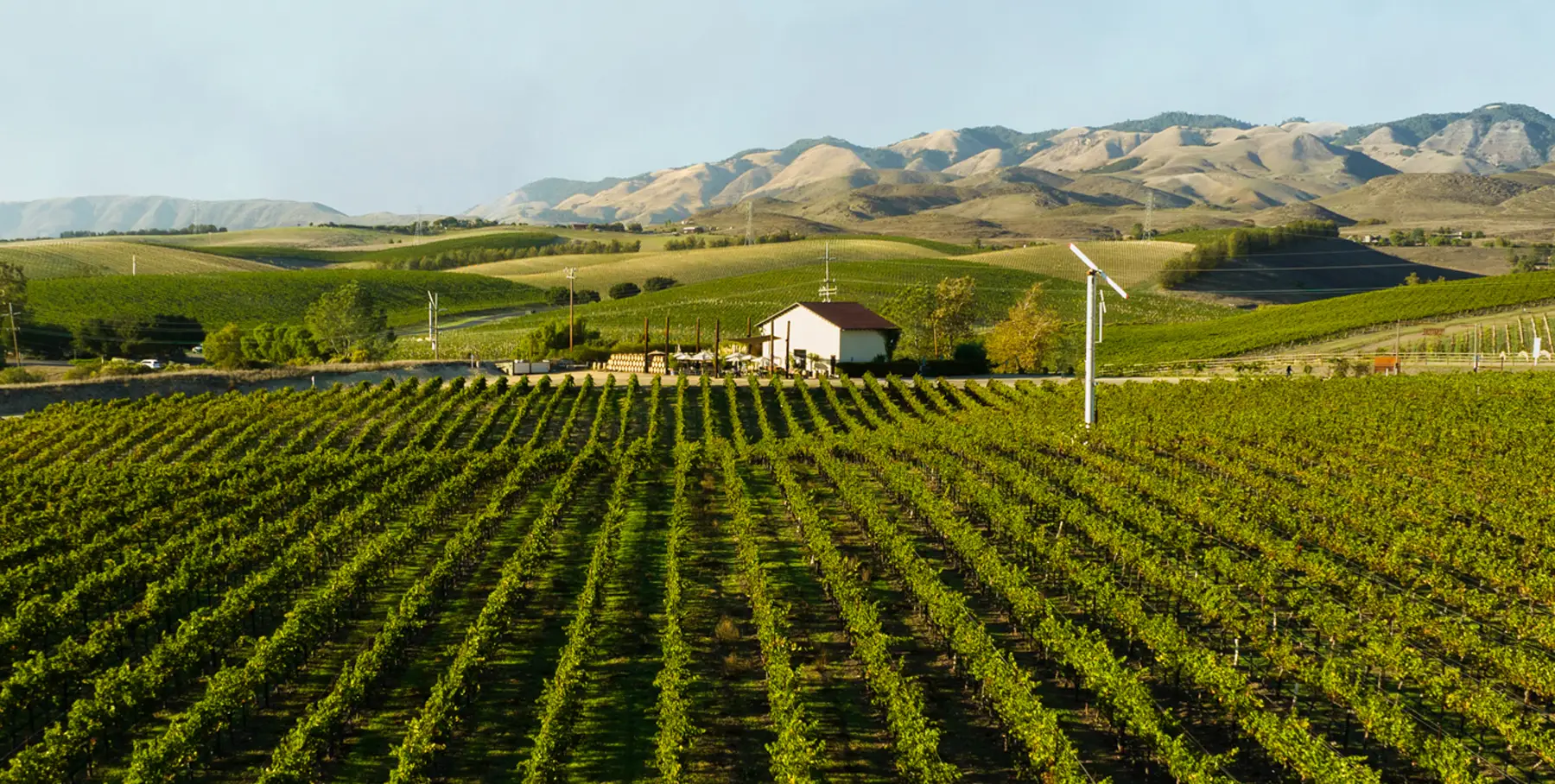
Long before harvest begins, the vineyard starts telling us what kind of vintage we’re going to have. This year, those signs appeared much earlier than usual, and on July 23rd, we officially began harvesting the 2026 vintage, making it one of the earliest harvests in Chamisal’s history.
So, what’s behind the early start? It began months ago with the warmest winter recorded on California’s Central Coast in more than 130 years. Those warmer temperatures prompted an earlier budbreak, the point when dormant grapevines awaken from winter and begin producing new shoots. Once budbreak occurs, the entire growing season shifts forward, and that’s exactly what we’ve seen this year.
An earlier harvest doesn’t automatically mean an earlier or better vintage. Grapes aren’t picked according to the calendar. They’re harvested when they’ve reached physiological ripeness, meaning the sugars, acids, tannins, and flavor compounds have developed into the balance we’re looking for. While sugar levels are one indicator, they’re only part of the story.
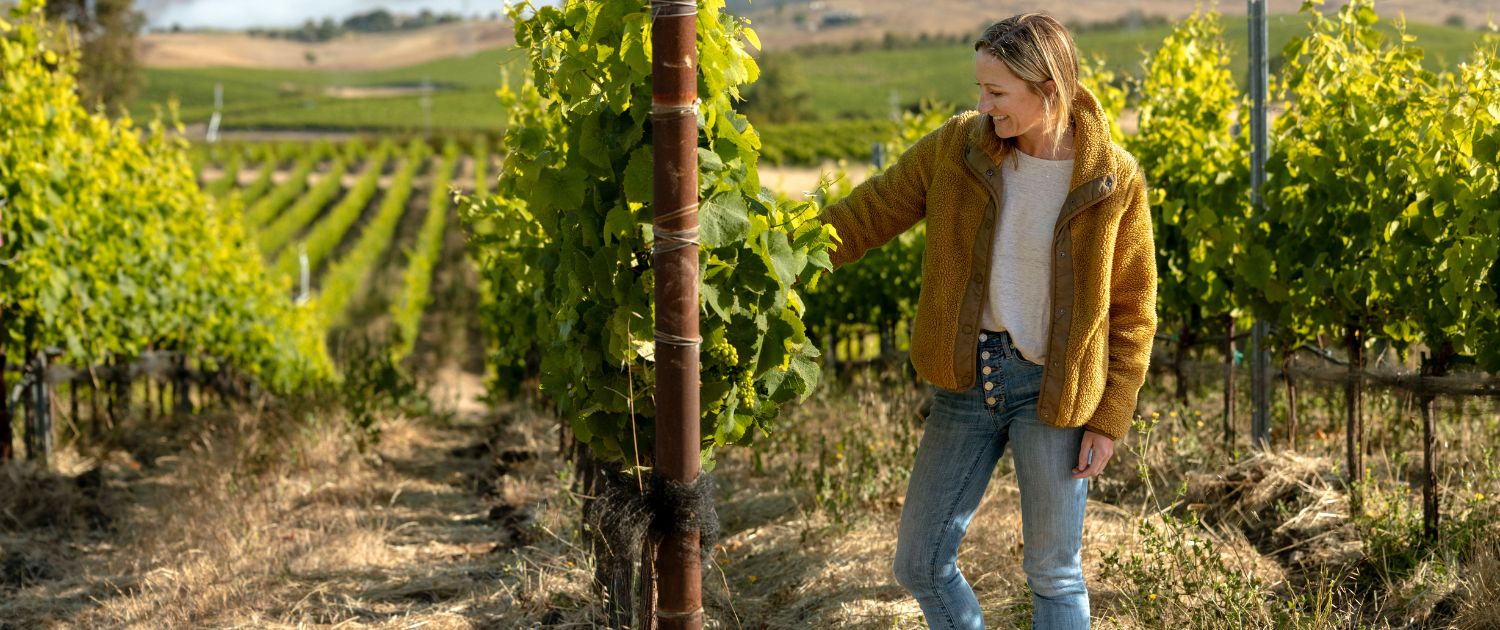
That’s why my team and I spend so much time in the vineyard throughout the season. We’re walking every block, tasting berries, evaluating the fruit, and monitoring its progression so each vineyard is harvested at its ideal moment. Those daily observations and decisions are what allow us to preserve the freshness, balance, and site expression that define Chamisal wines.
Harvest is my favorite time of year. It’s the culmination of months of work in the vineyard and the beginning of a new chapter in the winery. I look forward to sharing the 2026 vintage with you as the season unfolds.
-Brianne Engles